
Learn to improve
Learn to improve
Having read my previous stories, you might wonder, “What is his greatest passion?” My answer: Technology and software. Throughout my experiences, I’ve always found myself interacting with various applications and systems, each of which can be linked to a specific sector.
I can’t delve into a topic unless I understand its underlying principles. You can’t memorize everything, and the IT curse persists: “You’ve spent 500+ hours programming, and after a month, it’s all forgotten.” This holds true for everything I encounter. However, it’s akin to getting a driver’s license and not driving for years. It’s muscle memory, refreshing existing knowledge and revisiting concepts takes far less time and energy than learning from scratch. That’s why I strive to train myself in various topics that interest me.
Recently, I delved into the world of cybersecurity. It taught me to be vigilant when encountering potential actors seeking to exploit my data. Understanding the tools used by security analysts and hackers is valuable for both personal projects and existing IT endeavors.
My hunger for knowledge and self-awareness continues to grow. Don’t be surprised if, in the future, I post about immersing myself in the world of Retro stuff. Only time will tell. For now, I’m working on my next certification.
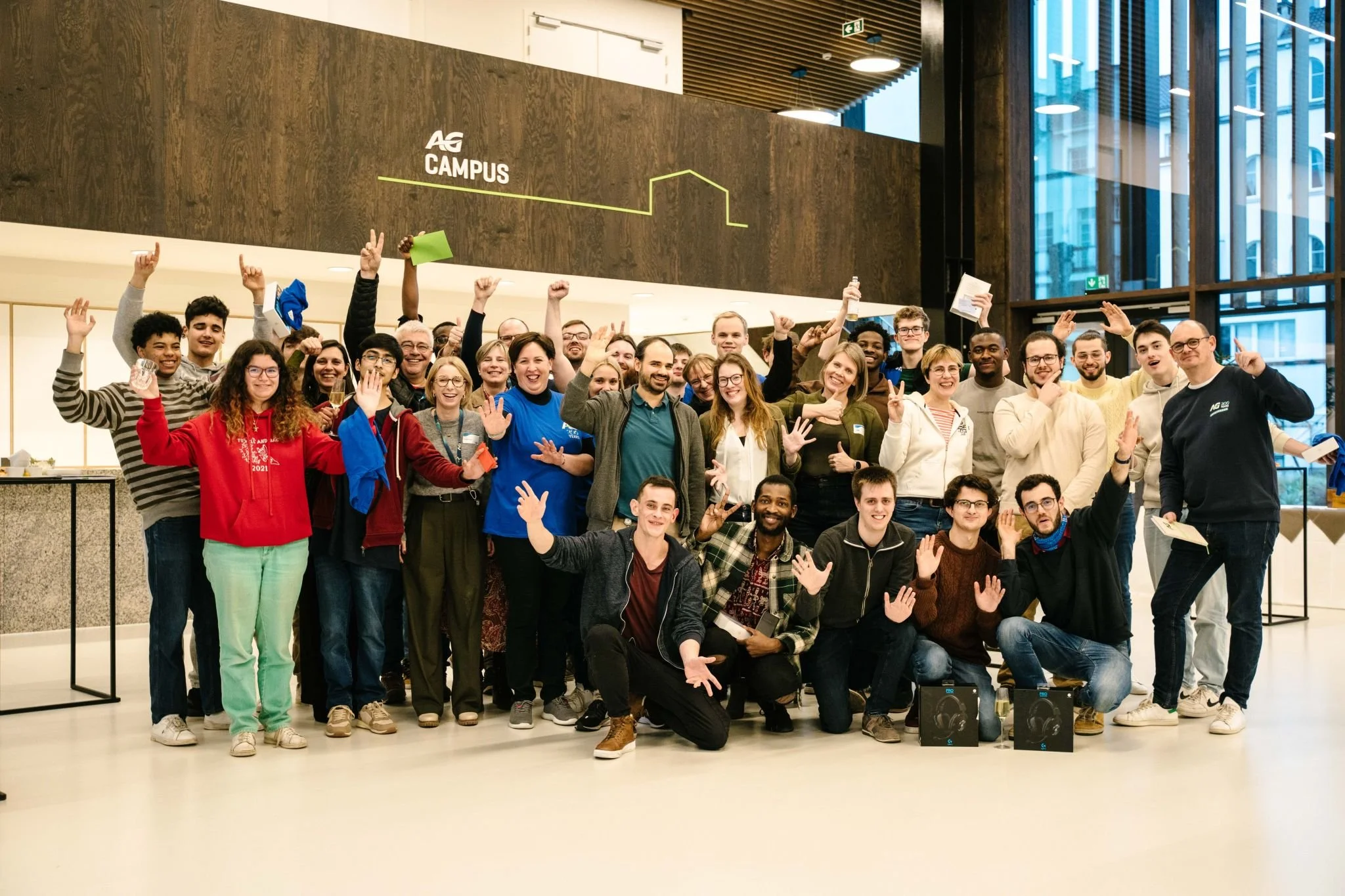
Hackathon at AG Insurance
Hackathon at AG Insurance
Information Technology (IT) is a rapidly evolving field where standing still is not an option. Every week, month, or year, new technologies emerge, ready to conquer the world. Staying up-to-date with contemporary systems is crucial. But how do you keep your mind engaged? The answer lies in independent or collaborative projects called Hackathons. provide the perfect platform for teams to brainstorm within specific topics. So, when the opportunity arose, I couldn’t pass up participating in AG’s first Hackathon.
AG Insurance embarked on a project centered around mental health—an app designed to enhance the well-being of individuals, young or old. Our team initiated a groundbreaking project targeting seniors (aged 65+). Leveraging an app, we collected their biomedical data through wearables and other hardware applications equipped with sensors for measuring heart rate, blood pressure, oxygen levels, and more. Users were encouraged to report their daily well-being, remaining connected within a network of close friends and family. This way, if anything happened or if someone felt unwell, others would be informed. While there are additional exciting features tied to this app, I won’t delve into all the details in this blog post
To our surprise, we managed to convince the jury and won the Best Pitch award. The realization that we might have developed a groundbreaking app capable of effecting real change was a feeling unlike any other. Overall, those 48 hours of work and passion were truly worthwhile. AG Insurance generously granted us full access to their new building, and we were treated to the healthiest and most delicious meals during the three days we spent there. It was an incredibly enjoyable weekend, and I’d like to express my gratitude to my team for the fantastic collaboration.
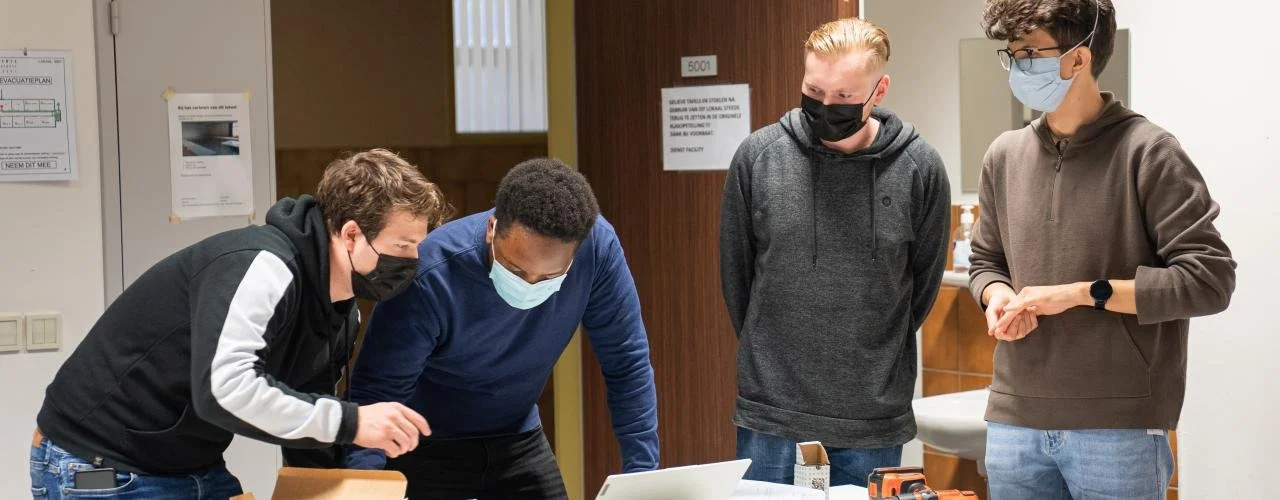
Clean-air project
Clean-air project
During Covid, various governments were implementing initiatives to maximize ventilation. This was crucial because for a virus that spreads through the air, minimizing infections during work and for students was of utmost importance.
As a result, the Belgian government requested the installation of as many sensors as possible to measure whether indoor spaces were adequately ventilated. And thus, our project at our college was born.
We received several CO2 sensors from the Elsys brand to install on their campus in Jette. However, before installation, we needed connectivity to link these sensors together. This presented us with an opportunity to implement a LoRaWAN (Low Power Wide Area Network) connection. LoRaWAN antennas consume minimal power and can cover extensive distances, making them ideal for transporting small data packets.
We connected our sensors to The Things Network’s Stack database and strategically installed them in various locations. With the assistance of Datacake, we successfully generated graphs containing essential data. Now, every student, teacher, and staff member can scan the sensor’s QR code and access the values for each room. This project provided me with valuable insights into data transport, wireless connectivity, database frameworks, and dashboard design. It’s an experience I’ve had to revisit in my professional life—a lesson well learned.
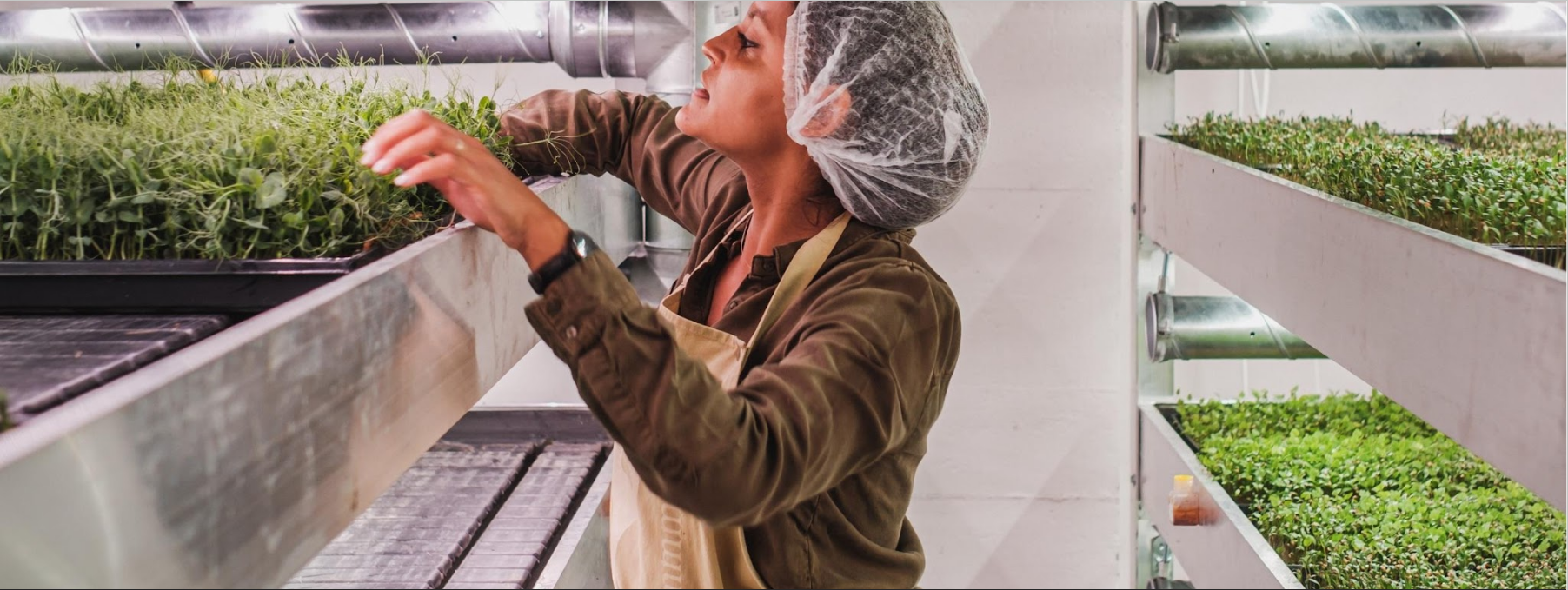
MicroFlavours Project
MicroFlavours project
When I decided to begin my studies during a global pandemic, I knew that it would come with numerous challenges. Less practical experience, an abundance of online classes, and limited social interaction were all part of the package. As someone without a technical background when I started, I understood that I was in for two demanding years.
When I received my first project, it was an immediate revelation of the possibilities in the world of technology. It was a Brussels-based company specializing in Micro farming—a system that is poised to become the norm in the future for feeding the vast population on our planet. Each plant is meticulously supplied with the right nutrients, acidity, and light to extract maximum flavor and nutrition. These systems are brimming with sensors. It was our opportunity to showcase our finest talents.
So, the client faced a challenge: they had built an impressive system that automated the constant supply of all substances and water. However, they still had to manually record various values, resulting in a lot of paperwork and unnecessary time consumption.
Our task was to create a prototype of their microfarm and convince the client that enhancing their existing systems with a digital dashboard, where all values could be recorded, would be more efficient. We worked collaboratively as a team. My role as a leader involved overseeing everyone’s schedules and ensuring the proper functioning of the technologies we planned to use. It was a hybrid role, so to speak. Over the course of a week, we built everything and presented it to the client.
After completing this project, the client was convinced. They took the necessary steps to digitize their data. Interestingly, I’ve heard that their company is now receiving more and more requests from various industries. It’s a testament to the importance of timely data digitization using our IoT applications.
This project fueled my curiosity for the world of Electronics, Networking, and Coding.